

Signature Bass Guitars
Sting, Geddy Lee, Duff, Flea and more, played and photographed
Jump to: Sting · Geddy Lee · Duff McKagan · Flea · Nate Mendel · Hama Okamoto · Jack Casady · Darryl Jones
A signature bass is only interesting when the artist’s name buys something real: a neck profile, a pickup, a circuit or a finish the standard model does not have. This page collects the Fender signature basses in my vault, plus an Epiphone and a Lakland, and for each one explains what the signature actually changes and how it plays.
In The Bass Vault, every instrument is evaluated through actual hands-on playability and real-world sonic performance. Instead of regurgitating factory spec sheets, this archive breaks down why these custom modifications were chosen by the artists – from the aggressive mid-range bark of Fender’s TBX (Treble Bass Expander) tone circuit to the unique ergonomics of pairing a slim Jazz Bass neck profile with a classic Precision Bass body.
As a dedicated collector and player, I view signature basses as technical solutions crafted by the world’s best musicians. This gallery features the road-tested gear that defined genres – from the Duff McKagan Jazz Bass Special and the Flea Road worn Jazz Bass to the rare MIJ Hama Okamoto #4 and the semi-hollow Epiphone Jack Casady, the one signature model here that was built around a pickup rather than a finish.. Here, we explore the specific mods, custom electronics, and unique neck profiles that make these artist models the definitive versions of the instruments they play.
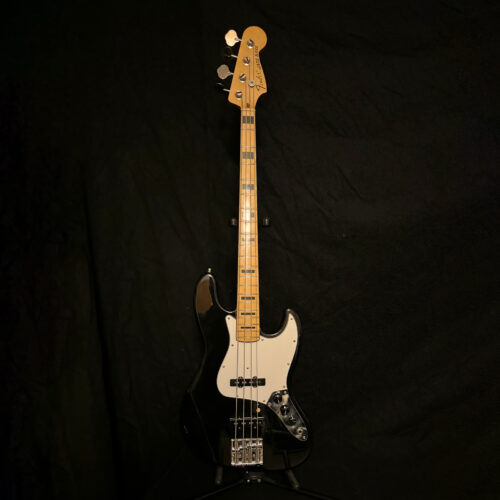
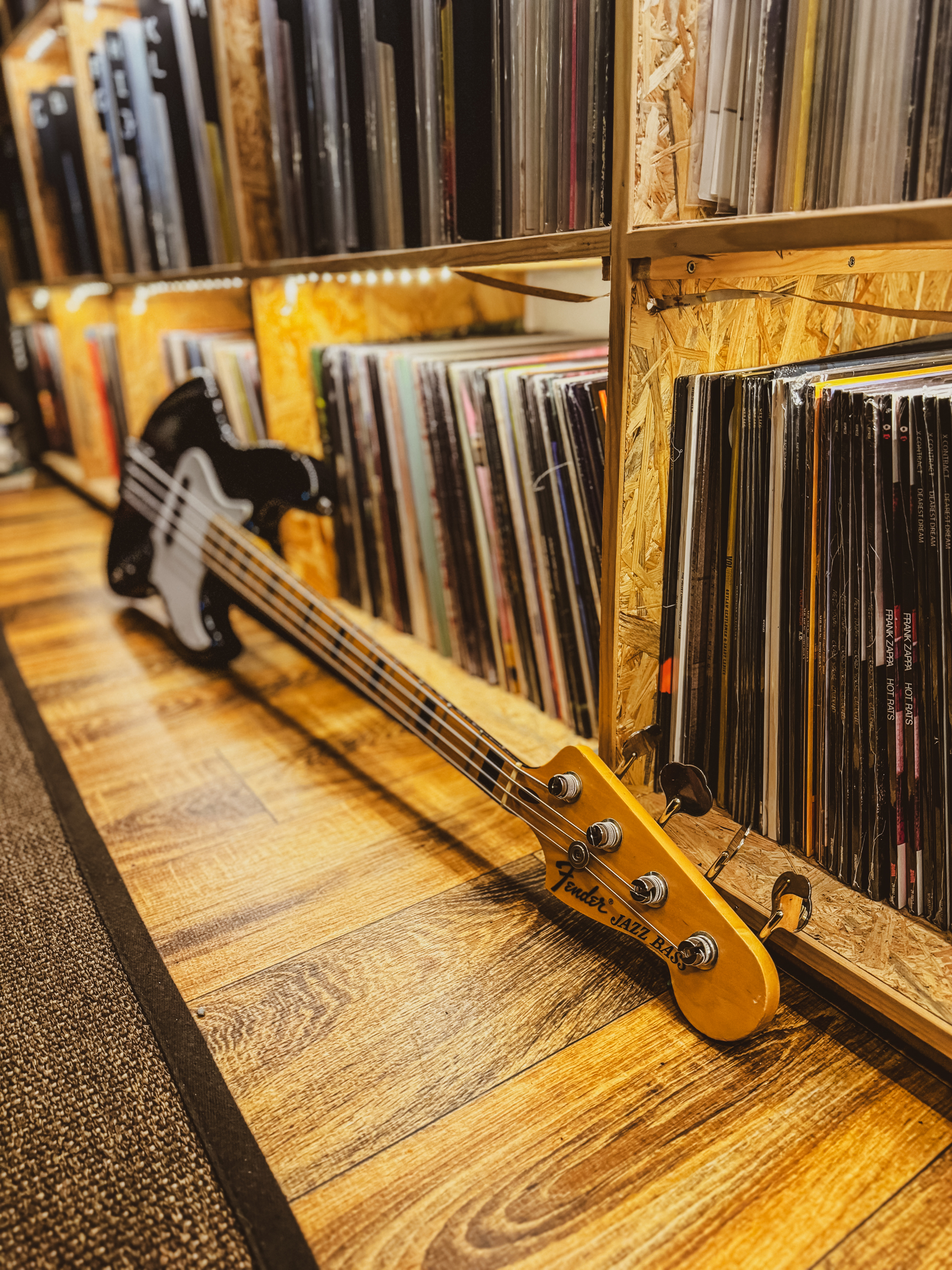
Fender Geddy Lee Signature Jazz Bass (Limited Edition CIJ)
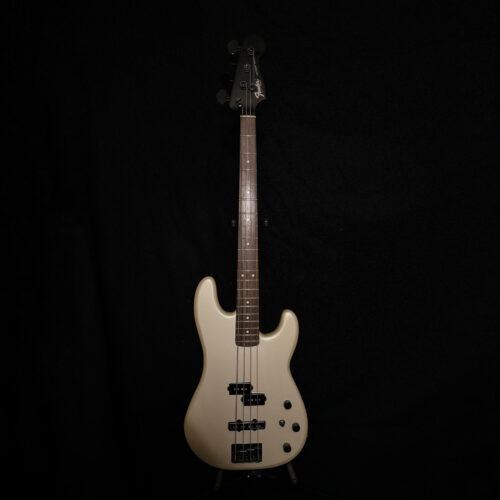
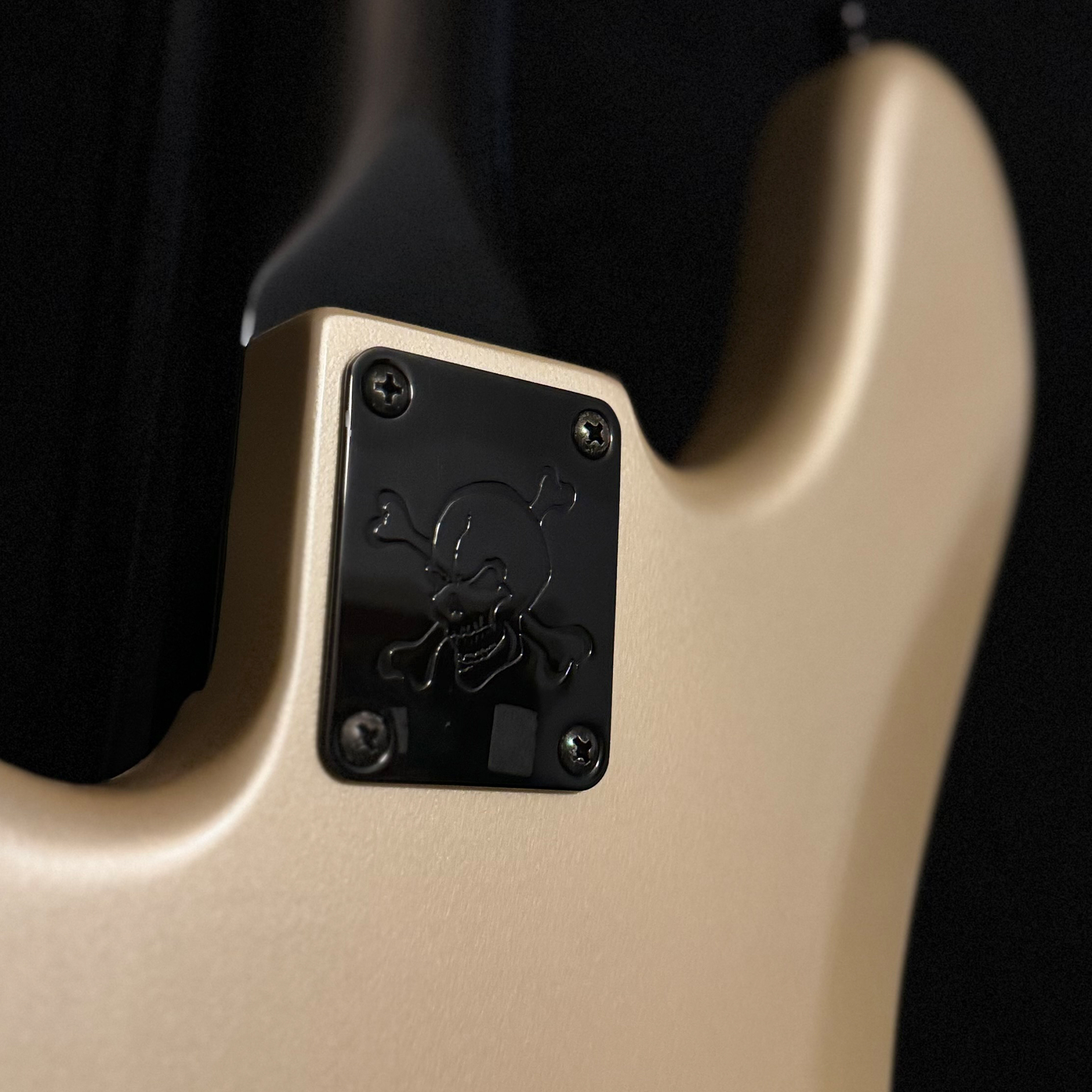
Fender Duff McKagan Signature Jazz Bass Special (Pearl White)
Growing up with Appetite for Destruction, the sound of Duff McKagan wasn’t just a bass line – it was a sonic blueprint. This Fender Jazz Bass Special is a faithful tribute to the ’80s-era MIJ (Made in Japan) Boxer series that defined the Guns N’ Roses low-end.
What sets this signature apart is the PJ pickup configuration – the punch of a Precision Bass split-coil paired with the growl of a Jazz Bass bridge pickup. Coated in the iconic Pearl White finish with a sleek gloss black neck, it features the “TBX” (Treble Bass Expander) tone circuit. This allows for a massive sweep of frequencies, capturing that specific metallic clank and aggressive mid-range that Duff used to cut through Izzy’s and Slash’s wall of guitars. Having this in the Vault is more than just owning a signature model; it’s leaning into that grit and attitude of the Sunset Strip.
The “Appetite” tone: Exploring the PJ-pickup power and the TBX circuit of a hard rock icon.
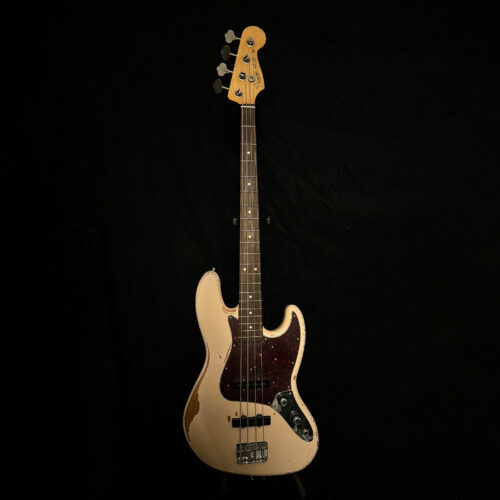
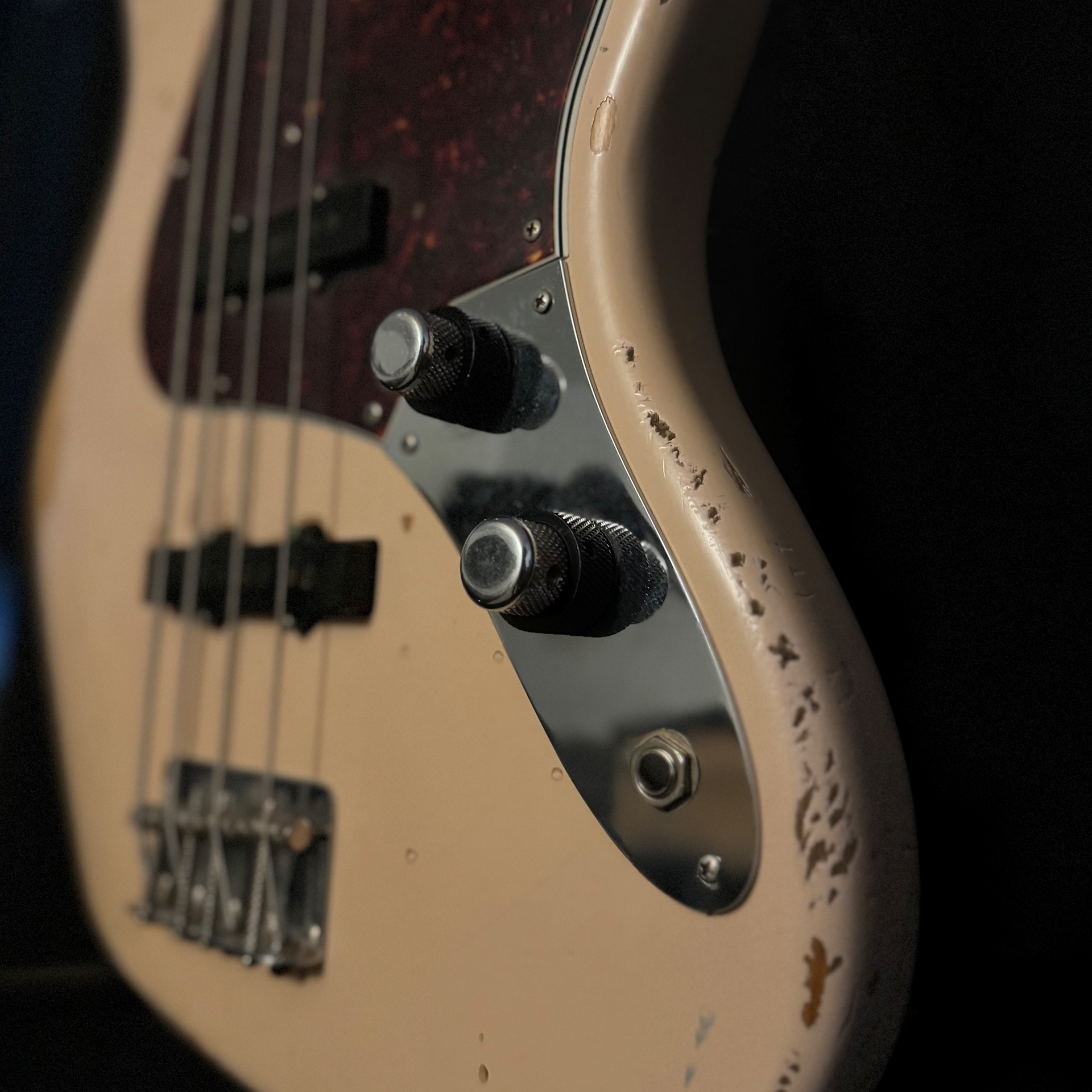
Fender Flea Signature Jazz Bass (Road Worn Shell Pink)
Shell Pink Soul: Road worn specs for the ultimate funk growl.
Fender Nate Mendel Signature Precision Bass (Candy Apple Red)
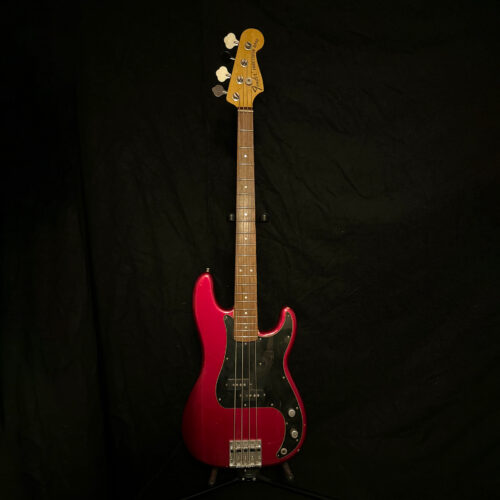
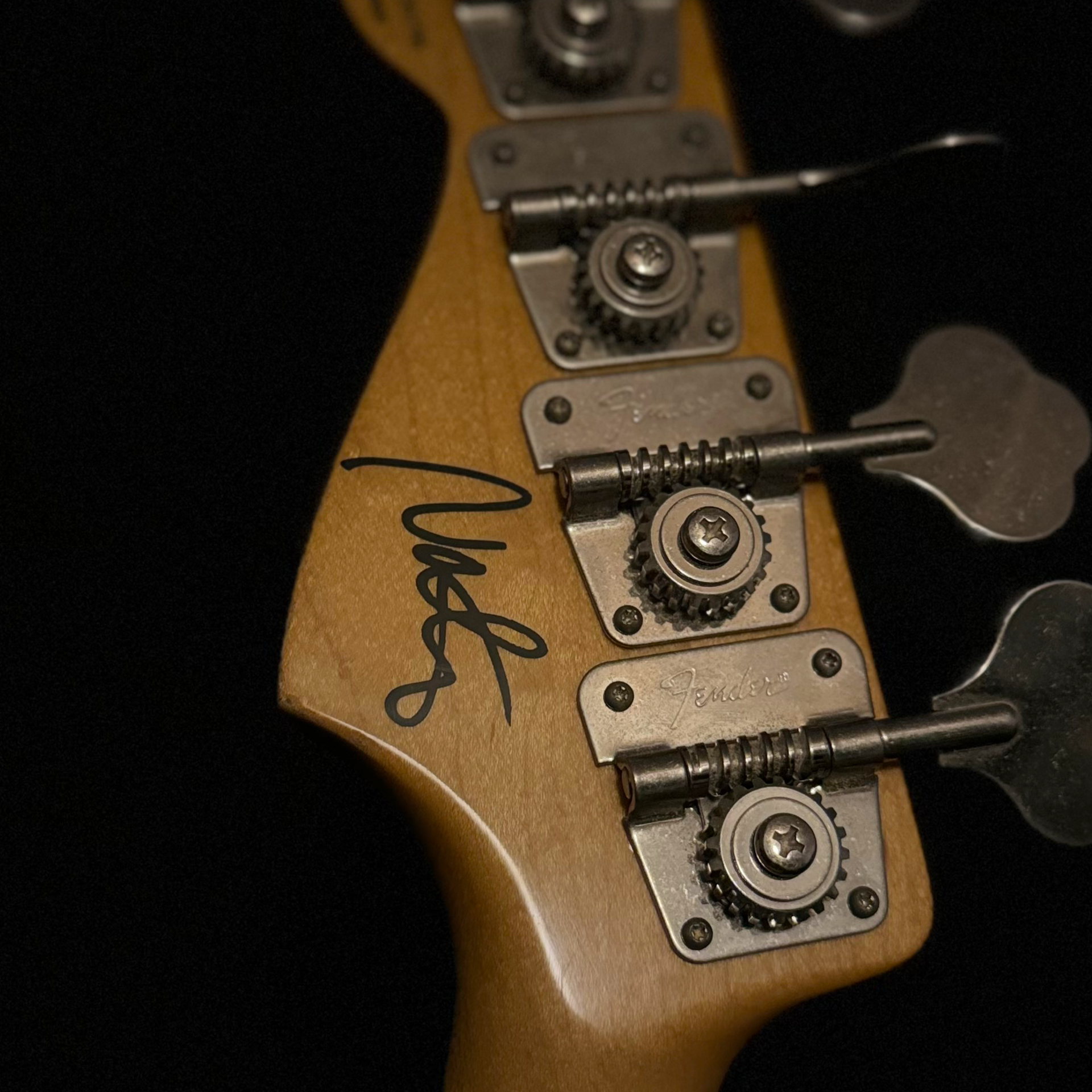
Fender Hama Okamoto Precision Bass #4 (MIJ)
The Hama Okamoto Signature #4 is a standout in the Fender Japan lineup, bridging the gap between a 1968 Precision Bass aesthetic and modern playability. As the “keeper of the vault”, I’ve noted that the true magic of this MIJ signature lies in the slim ’60s Jazz Bass neck profile on a traditional P-Bass body – a combination that offers a unique ergonomic advantage for players who find traditional P-necks too chunky.
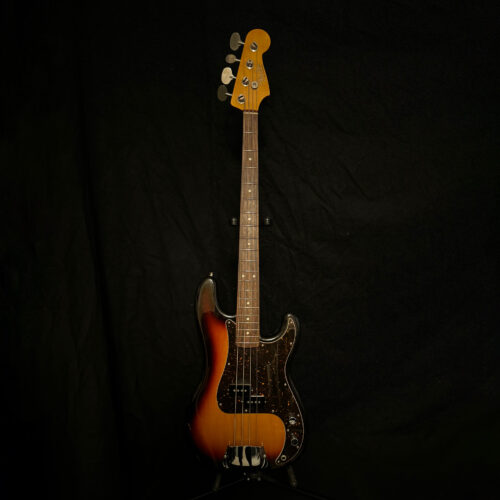
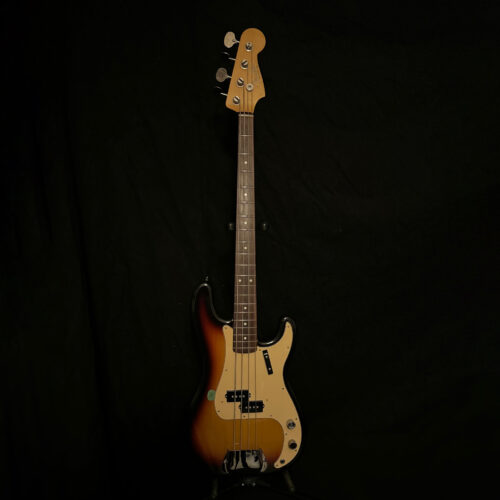

The Hama Okamoto #4 is a standout in the Fender Japan lineup, and the number is the reason why. It is not a place in a series – “#4” names a neck: a 38,1 mm Jazz-width nut on a traditional Precision body and split-coil pickup, built to the spec of Okamoto’s own 1968 P-Bass. As the “keeper of the vault”, that is where I would point you – a genuine ergonomic advantage for players who find traditional P-necks too chunky. I have measured all three in the vault, and the full breakdown lives in my guide to the Hama Okamoto #4.
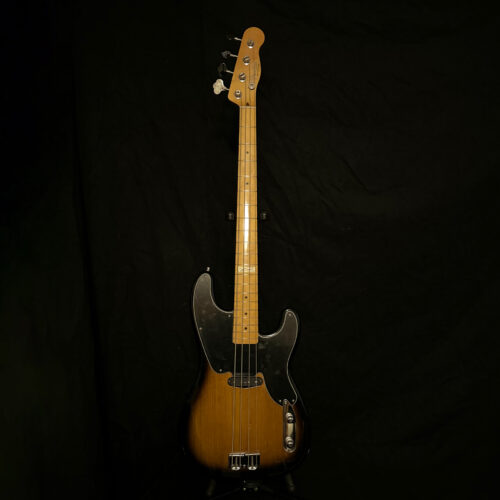
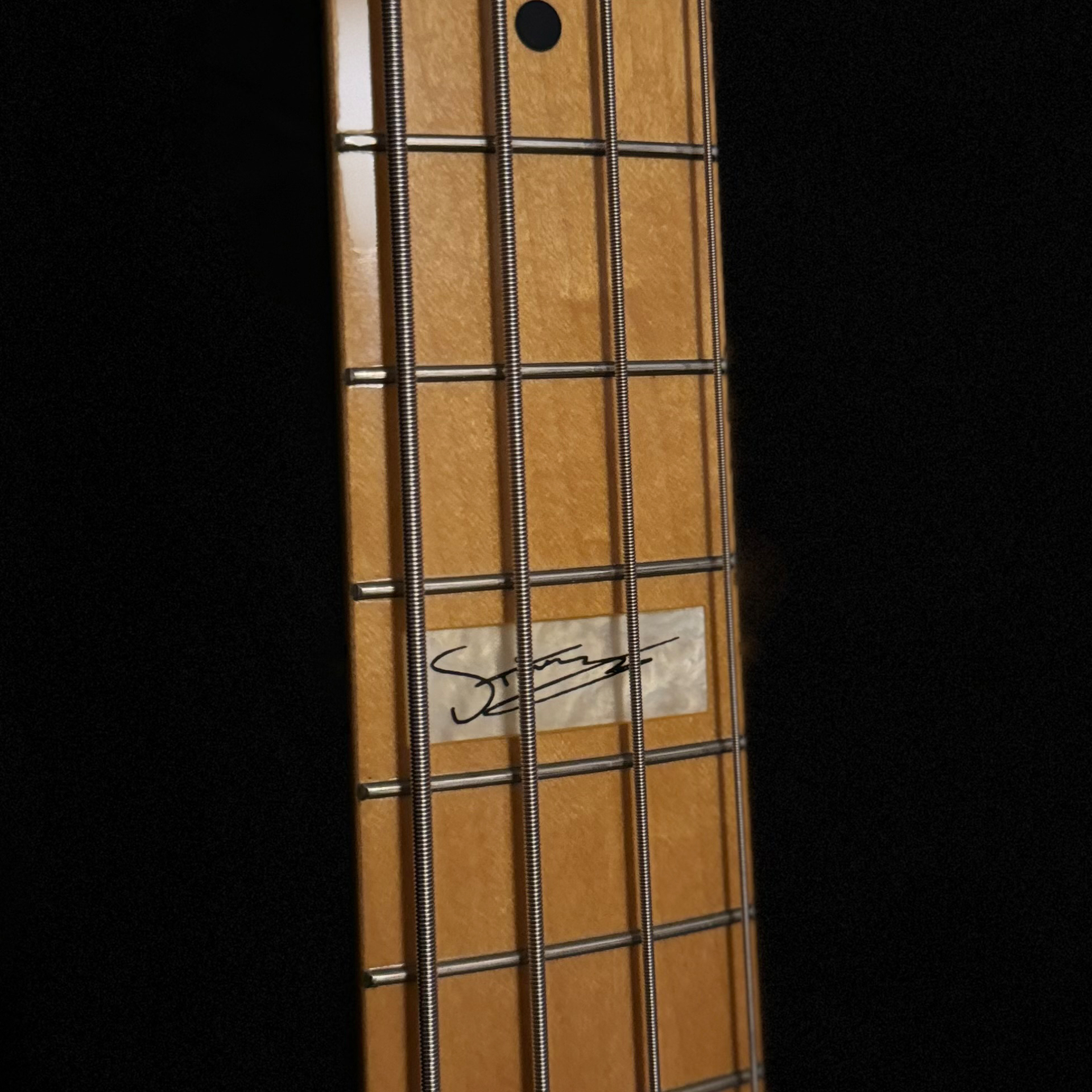
Fender Sting Signature Precision Bass (’54-style, CIJ)
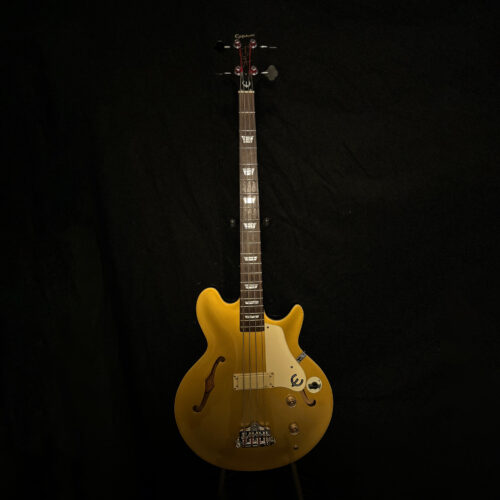

Epiphone Jack Casady Signature Bass
Most signature basses start with an artist’s existing instrument and work outwards. This one started with a problem.
Casady had spent since 1967 chasing low impedance, first through a Guild Starfire II rebuilt by Owsley Stanley with Ron Wickersham and Rick Turner, then, after that bass was stolen following Woodstock, through an early-70s Gibson Les Paul Signature Bass he finally tracked down in 1985. The Les Paul Signature had the impedance and the 34-inch scale he wanted, but it lost definition in a band mix. When Gibson and Epiphone brought him in during the late 1990s, fixing that was the whole brief. The JCB-1 took nearly two years to develop.
What you get is a three-position VariGain switch running 50, 250 and 500 ohms through a transformer. At 50 ohms it reads almost acoustic, open and transparent. At 500 it turns into a mid-forward rock voice with more air under it than a P-Bass. The rule underneath it is simple: lower impedance buys definition, higher impedance buys weight. Semi-hollow laminated maple over a centre block, set mahogany neck, 34-inch scale, real f-holes. The body resonance is not decoration, it is part of why the pickup behaves the way it does.
Lakland Skyline Darryl Jones Signature Bass

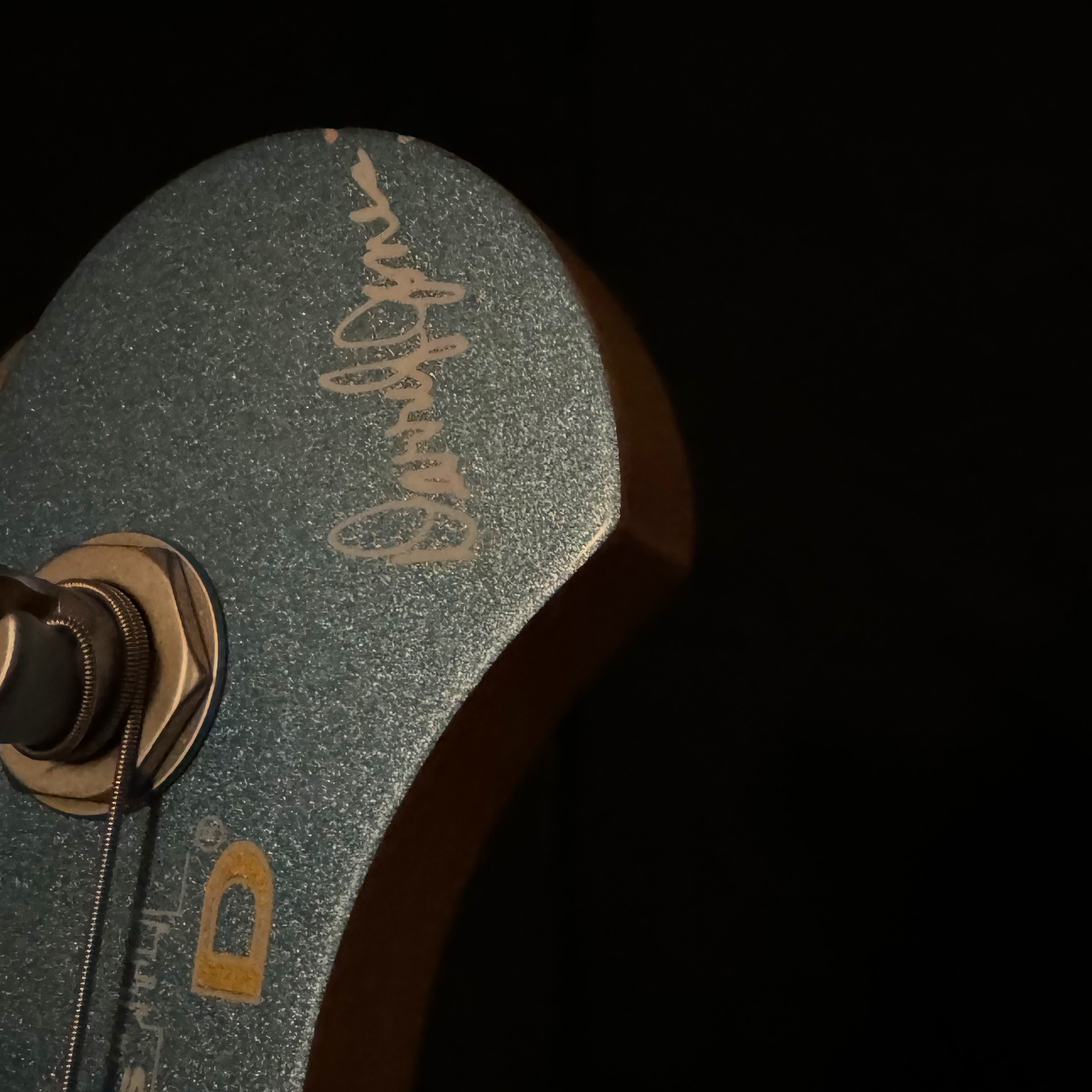
Darryl Jones has held down the low end for the Rolling Stones since 1994, after playing with Miles Davis and on Sting’s The Dream of the Blue Turtles. My Lakland Darryl Jones signature is a 2006 Skyline, Lake Placid Blue Sparkle.
Across the vault the pattern holds: the signature models worth owning change something you can hear or measure. Sting’s single-coil pickup, Duff’s TBX circuit, Hama Okamoto’s 38,1 mm nut and Jack Casady’s VariGain pickup each solve a specific problem, and that is what separates a real signature bass from a standard model with a name on the headstock.
Henrik Bonde Hanfgarn owns and plays every bass on this page. The specs and notes here are read off the instruments themselves. About Henrik.
Where to go from here
- Is a signature bass worth it? Signature bass guitars: what the name buys
- The Japanese-built signatures Fender Japan bass guitars in the vault
- The full #4 story Hama Okamoto Precision Bass #4 guide
- Browse everything The Bass Vault